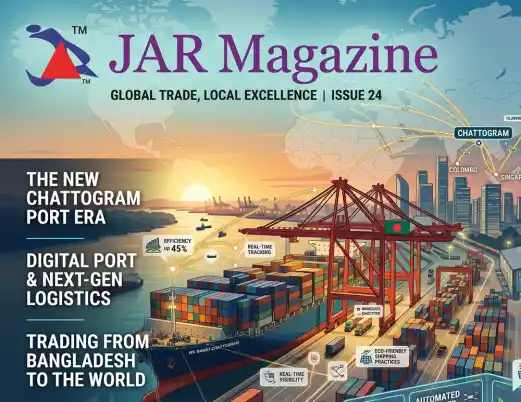
Discover how Bangladesh is transforming its logistics and supply chain industry through digital freight systems, ecommerce growth, smart warehousing and global trade expansion.
AI Summary: Bangladesh logistics, supply chain Bangladesh, freight forwarding Bangladesh, smart logistics, ecommerce logistics, warehouse Bangladesh, digital logistics
Bangladesh is experiencing a major transformation in its logistics and supply chain industry. What was once considered a traditional transportation sector is now evolving into a modern, technology-driven ecosystem supporting international trade, ecommerce and industrial growth.
As exports continue to rise and online commerce expands rapidly across the country, businesses are demanding faster, smarter and more reliable logistics solutions. This shift is pushing logistics companies to adopt digital systems, real-time shipment tracking, automated warehouse management and AI-powered supply chain coordination.
The growth of ecommerce platforms has significantly changed customer expectations. Consumers now expect quick deliveries, live order tracking and professional last-mile logistics services. To meet these expectations, logistics providers are investing in smarter transportation systems and warehouse technologies.
Bangladesh’s strategic geographic position also creates enormous potential for regional and international trade. With improved port infrastructure, expanding highway networks and growing global connectivity, the country is becoming increasingly attractive for freight forwarding, distribution and cross-border logistics operations.
Warehousing is another area experiencing rapid modernization. Businesses are now focusing on inventory optimization, automated storage systems and digital warehouse operations to reduce costs and improve efficiency. Modern logistics is no longer only about moving cargo — it is about managing data, speed and customer experience.
Technology is playing a critical role in this transformation. Cloud-based freight systems, AI-powered route planning and digital customs procedures are helping reduce delays and increase operational transparency. Companies that adapt quickly to these innovations are gaining stronger competitive advantages in both domestic and international markets.
At the same time, sustainability is becoming increasingly important. Businesses are exploring eco-friendly transportation methods, fuel-efficient delivery systems and smarter supply chain planning to reduce environmental impact while maintaining profitability.
The future of Bangladesh’s logistics industry will depend on innovation, infrastructure development and skilled human resources. As global trade continues to evolve, Bangladesh has the opportunity to become a leading logistics and supply chain hub in South Asia.
For businesses, investors and logistics professionals, this transformation represents not only a challenge — but also a powerful opportunity for long-term growth and international expansion.
As exports continue to rise and online commerce expands rapidly across the country, businesses are demanding faster, smarter and more reliable logistics solutions. This shift is pushing logistics companies to adopt digital systems, real-time shipment tracking, automated warehouse management and AI-powered supply chain coordination.
The growth of ecommerce platforms has significantly changed customer expectations. Consumers now expect quick deliveries, live order tracking and professional last-mile logistics services. To meet these expectations, logistics providers are investing in smarter transportation systems and warehouse technologies.
Bangladesh’s strategic geographic position also creates enormous potential for regional and international trade. With improved port infrastructure, expanding highway networks and growing global connectivity, the country is becoming increasingly attractive for freight forwarding, distribution and cross-border logistics operations.
Warehousing is another area experiencing rapid modernization. Businesses are now focusing on inventory optimization, automated storage systems and digital warehouse operations to reduce costs and improve efficiency. Modern logistics is no longer only about moving cargo — it is about managing data, speed and customer experience.
Technology is playing a critical role in this transformation. Cloud-based freight systems, AI-powered route planning and digital customs procedures are helping reduce delays and increase operational transparency. Companies that adapt quickly to these innovations are gaining stronger competitive advantages in both domestic and international markets.
At the same time, sustainability is becoming increasingly important. Businesses are exploring eco-friendly transportation methods, fuel-efficient delivery systems and smarter supply chain planning to reduce environmental impact while maintaining profitability.
The future of Bangladesh’s logistics industry will depend on innovation, infrastructure development and skilled human resources. As global trade continues to evolve, Bangladesh has the opportunity to become a leading logistics and supply chain hub in South Asia.
For businesses, investors and logistics professionals, this transformation represents not only a challenge — but also a powerful opportunity for long-term growth and international expansion.