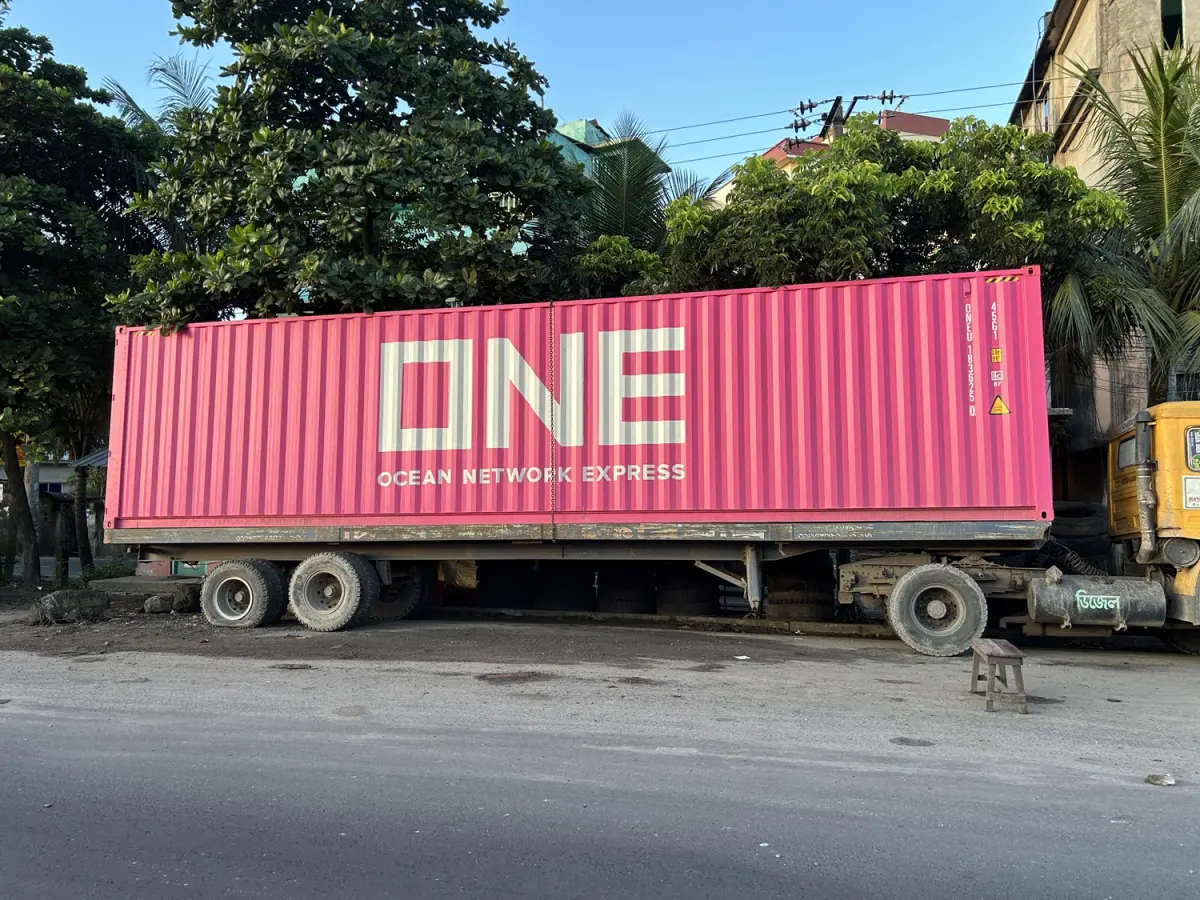
Weak Logistics Are Holding Back Bangladesh’s Export Ambitions
AI Summary: Bangladesh aims for higher export earnings, but congested ports, slow clearance and high logistics costs are quietly eroding its trade competitiveness, especially for SMEs, unless urgent reforms and smarter partnerships are made.
Bangladesh’s $100 Billion Export Dream Needs Stronger Logistics
Bangladesh talks confidently about reaching 100 billion dollars in export earnings by 2030, but our logistics reality tells a more uncomfortable story. Congested ports, slow clearance, fragmented transport and rising business costs are quietly eating away at the competitiveness of our garments, tea, agro-products and future e-commerce exports.
In recent roundtables organised by the Dhaka Chamber of Commerce and Industry and policy think tanks, economists and business leaders repeated the same warning: without serious logistics reforms, Bangladesh will struggle to hit its export targets in the post-LDC era.
When Logistics Cost Too Much, Exports Earn Too Little
Logistics should be an invisible backbone of trade—quiet, reliable and efficient. In Bangladesh, it too often becomes a visible headache for exporters and importers.
- High logistics and transport costs make Bangladeshi products more expensive than regional competitors.
- Poor port coordination and slow container clearance at Chattogram add days to lead times.
- Road congestion, limited multimodal options and bureaucratic bottlenecks increase the cost of delay.
One striking estimate from recent discussions is that cutting logistics costs by 25% could raise exports by about 20%, while a 1% reduction in freight transport costs alone might boost exports by roughly 7.4%.
In other words, each truck jam, each extra day of container dwell time at port and each unnecessary document is not just an annoyance—it is a direct tax on our exporters’ global competitiveness.
The Post-LDC Reality: No Room for Inefficiency
Bangladesh’s export story has been driven mainly by garments, which still account for more than 80% of total export earnings. But as the country graduates from LDC status and faces stiffer competition, we cannot afford to depend on one sector or operate with “business as usual” logistics.
- Export diversification into agro-processing, light engineering, ICT and branded consumer products needs faster logistics.
- High transport and clearance costs weaken Bangladesh’s position against regional competitors.
- Without integrated ports and modern trade facilitation, the $100 billion export vision remains at risk.
This is not only a government problem. It is a shared challenge for ports, customs, shipping lines, freight forwarders, inland container depots and technology providers.
What Reforms Are Urgently Needed
- Implement the National Logistics Policy: Move from paper to practice with a clear roadmap.
- Modernise ports and cut dwell time: Faster clearance at Chattogram and other ports is essential.
- Invest in multimodal corridors: Better road, rail and inland waterway integration can reduce costs.
- Digitise trade processes: E-documents, single windows and real-time tracking can reduce delays.
Need Reliable Freight & Logistics Support?
JAR WORLD LOGISTICS provides professional freight forwarding, shipping, customs coordination and logistics support for importers and exporters in Bangladesh.
Company: JAR WORLD LOGISTICS
Email: [email protected]
WhatsApp / WeChat: +880 1730 004456
Website: www.jarship.com
Source / Link: https://magazine.jar.bd/